


Hot Isostatic Pressing
Configurable hot isostatic pressing systems and material processing services for densification, defect removal, and improved material performance.
Discover Now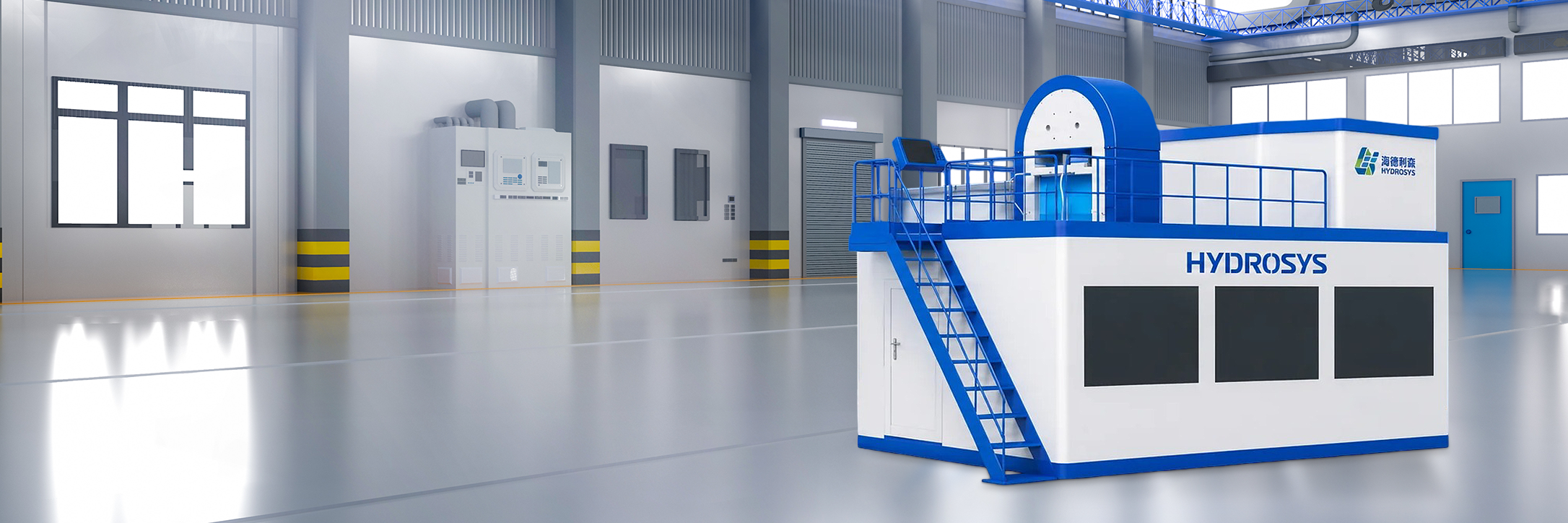
Configurable hot isostatic pressing systems and material processing services for densification, defect removal, and improved material performance.
Discover Now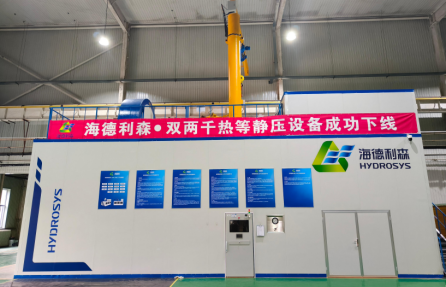
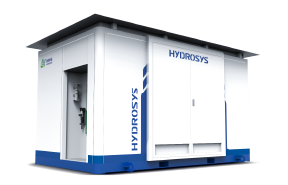
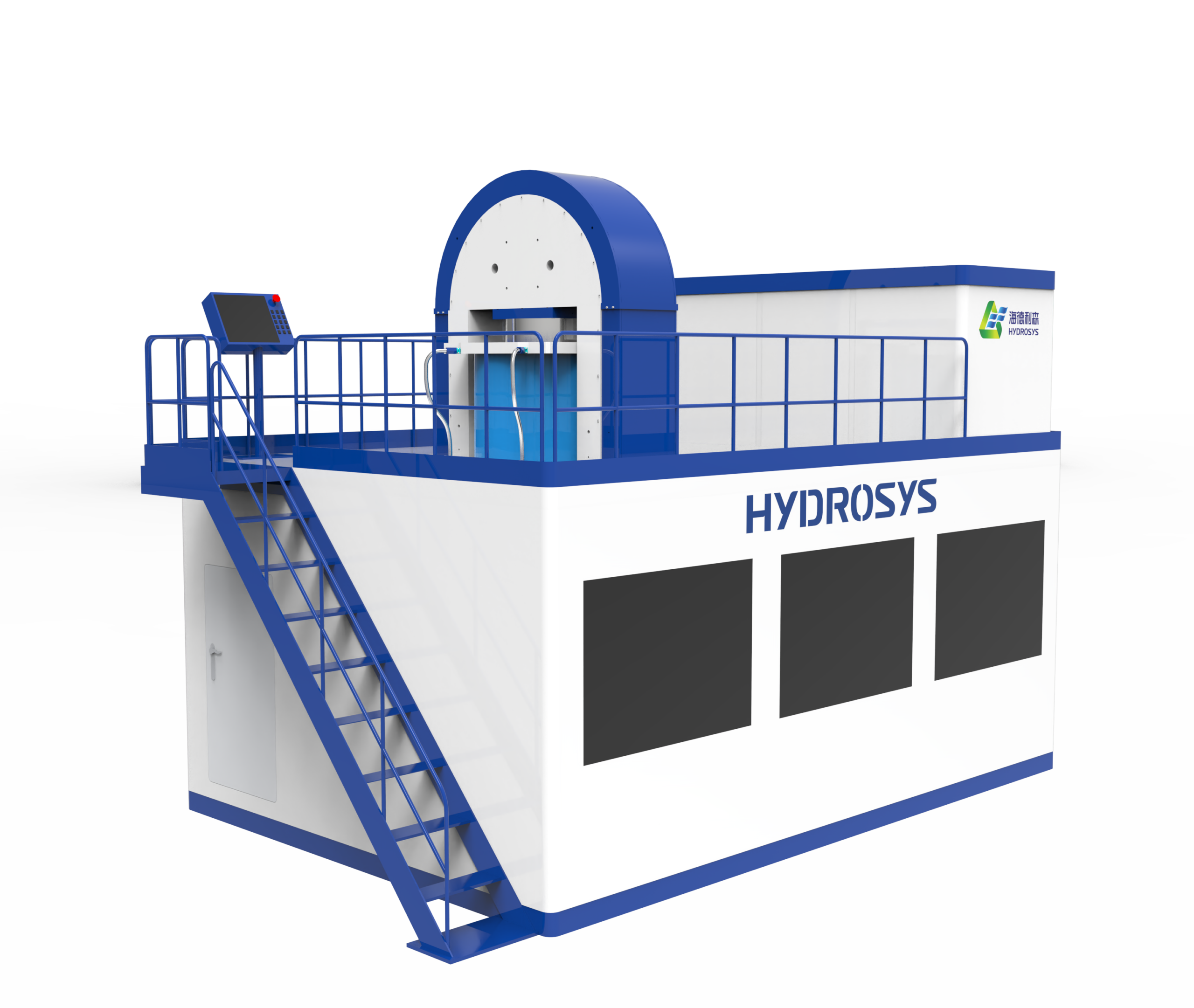
Hydrosys provides hot isostatic pressing systems covering core modules such as high-pressure vessels, heating systems, gas circulation and control systems, and rapid cooling devices. Each system can be flexibly configured according to process requirements. Our HIP systems are widely used for material densification, internal defect removal, and performance enhancement across demanding industrial applications.
In addition to HIP equipment, Hydrosys also provides HIP processing services for customer-supplied castings, powder metallurgy compacts, ceramic green bodies, and other materials, supporting custom process parameters, incoming-material processing, and batch delivery.
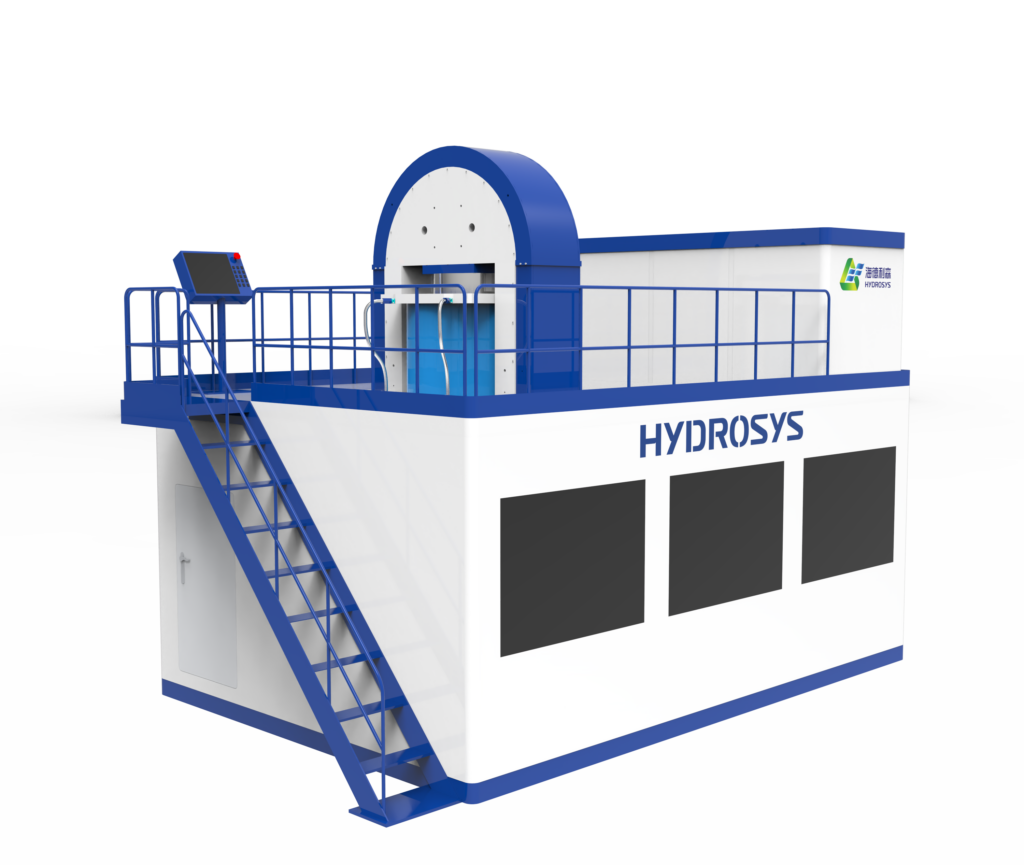

With over 24 years of experience in ultra-high-pressure system design, manufacturing, and integration, Hydrosys combines high-pressure fluid technology with hot isostatic pressing processes. Our HIP equipment can reach a working temperature of up to 2000°C and a maximum working pressure of up to 200 MPa.
Inside a HIP vessel, an inert pressure medium — high-purity argon gas — is heated and pressurized so that it transmits uniform pressure to the workpiece from every direction. Unlike conventional uniaxial hot pressing, where force is applied along a single axis and shape complexity is limited, isostatic pressure acts equally over the entire surface. This allows complex geometries and near-net-shape parts to be densified with very uniform density and minimal distortion.
Hydrosys HIP systems operate up to a maximum working temperature of 2000°C and a maximum working pressure of 200 MPa, with rated continuous operation typically at 1800°C. Argon is chosen as the pressure medium because it is chemically inert at these temperatures and will not react with metal, ceramic, or powder-metallurgy components during the cycle.
Every Hydrosys HIP system integrates five core subsystems: a high-pressure vessel, an internal heating furnace, a gas handling and circulation system, a rapid cooling (quench) system, and the electrical and control system. Each module is configured to the customer's load size, cycle temperature, and throughput requirements — from small research-scale units to large production vessels.
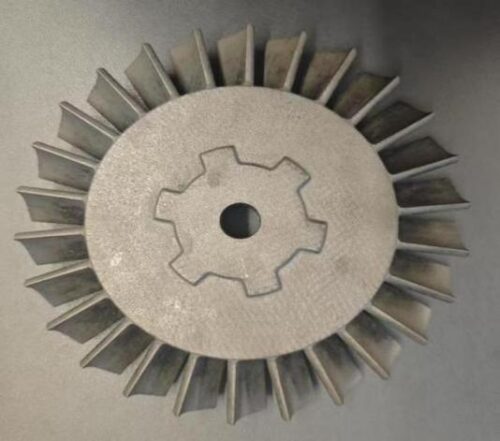
Hot Isostatic Pressing improves casting and 3D printed part density by eliminating internal defects, enhancing mechanical strength, fatigue resistance, and product qualification rates.
Show Project Details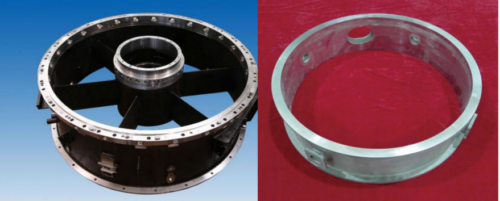
HIP powder forming technology enables near-net-shape manufacturing, integrating pressing and sintering into a single process for advanced powder metallurgy applications.
Show Project Details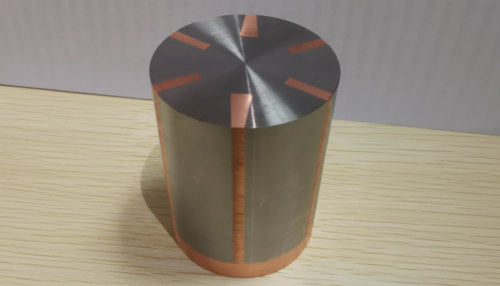
HIP diffusion bonding enables metallurgical joining between dissimilar materials, providing high-strength joints without welding stress or deformation.
Show Project Details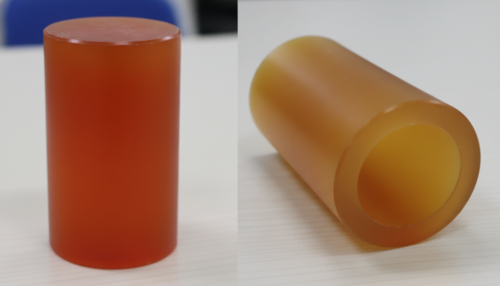
HIP technology supports forming and strengthening of carbon-carbon composites, ceramics, PEEK, PI polymers, and other advanced materials for high-performance applications.
Show Project Details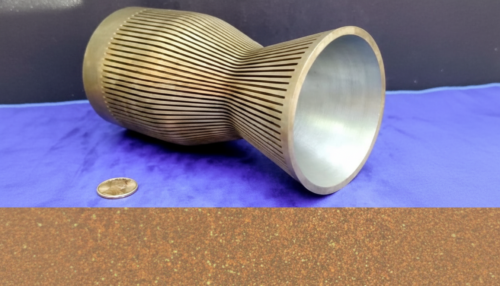
HIP solid-state forming technology refines grain structure and supports manufacturing of high-performance alloys, composite materials, and advanced special materials.
Show Project DetailsFind answers to common questions about hot isostatic pressing systems, material processing, and application suitability.
Contact UsHot isostatic pressing uses high-temperature, high-pressure gas to apply uniform pressure, densifying workpieces from all directions and removing internal defects.
It helps close pores and cracks, improving strength, toughness, and overall material performance stability.
HIP is suitable for metals, ceramics, and powder metallurgy parts, and is widely used in aerospace, medical, energy, automotive, and electronics applications.
HIP applies uniform pressure from all directions, allowing greater shape flexibility, more uniform density, and very low deformation.
Deformation is very low, helping meet the needs of precision parts and near-net-shape forming.

Danish

Dutch

English

German